There’s a photograph in my Prague series that I nearly didn’t make. It was late in the trip, the last week of a month I’d spent in the city, and I was tired in the way that sets in near the end of long projects — tired of looking, tired of asking, tired of not speaking the language. I almost didn’t go out that morning. I made coffee, sat by the window of the apartment I’d rented in Žižkov, watched trams go past, and eventually put on my coat more out of habit than intention.
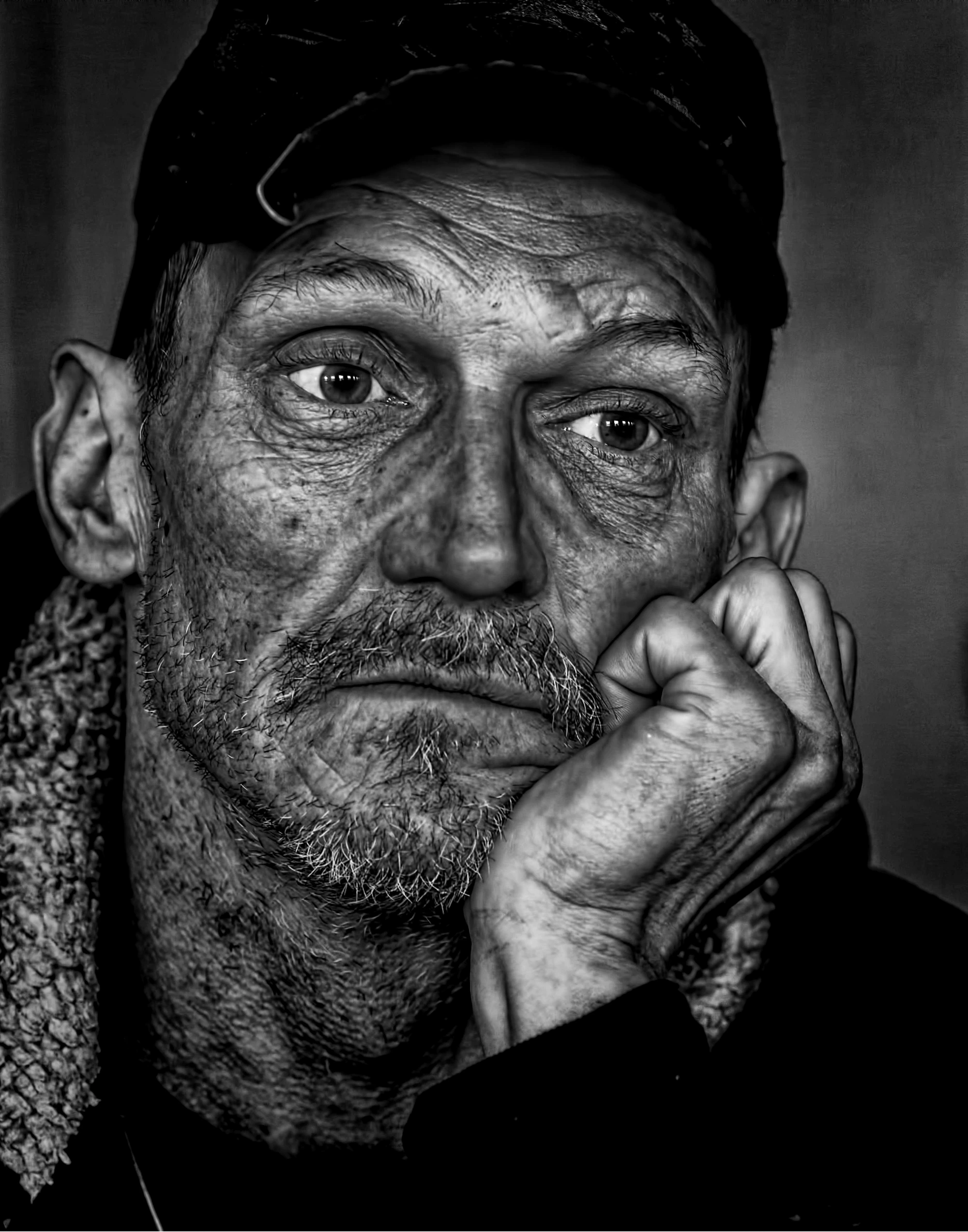
I ended up at a small indoor market near Náměstí Míru, the kind of place that sells pickles and dried mushrooms and seasonal vegetables in wooden crates. There was a man there, perhaps seventy, working behind a counter covered in jars. He had the face of someone who had been in that market for a very long time — settled into it, almost architectural. I watched him for a while from across the room, buying things I didn’t need so I had a reason to stay.
Eventually I walked up to his counter and pointed at my camera and then at him, the universal gesture, ready to be refused. He looked at me for a long moment, then at the camera, then back at me. He said something in Czech I didn’t understand and gestured at the space behind his counter. I walked around, stood where he’d indicated, and he arranged himself with a kind of practiced dignity that suggested he had been photographed before and knew exactly how he wanted to look. I shot six frames. He shook my hand. I left.
I’ve thought about that morning a lot, particularly about how close I came to staying in the apartment. The photograph exists because I put my coat on when I didn’t feel like it, walked somewhere without a plan, and waited long enough for something to happen. Most of the best travel portraits I’ve made have come about this way — not through technique or preparation but through simple persistence. The discipline of continuing to show up, especially when you don’t feel like it, is the closest thing to a method I’ve found that actually works.