There is a particular discipline that comes from traveling with a finite number of frames. I started shooting medium format film seriously about four years ago, initially because I liked the image quality, and later because of what the limitations did to my decision-making in the field. When you have twelve frames on a roll and you’re walking through a city you don’t know, you become selective in a way that’s hard to manufacture artificially.
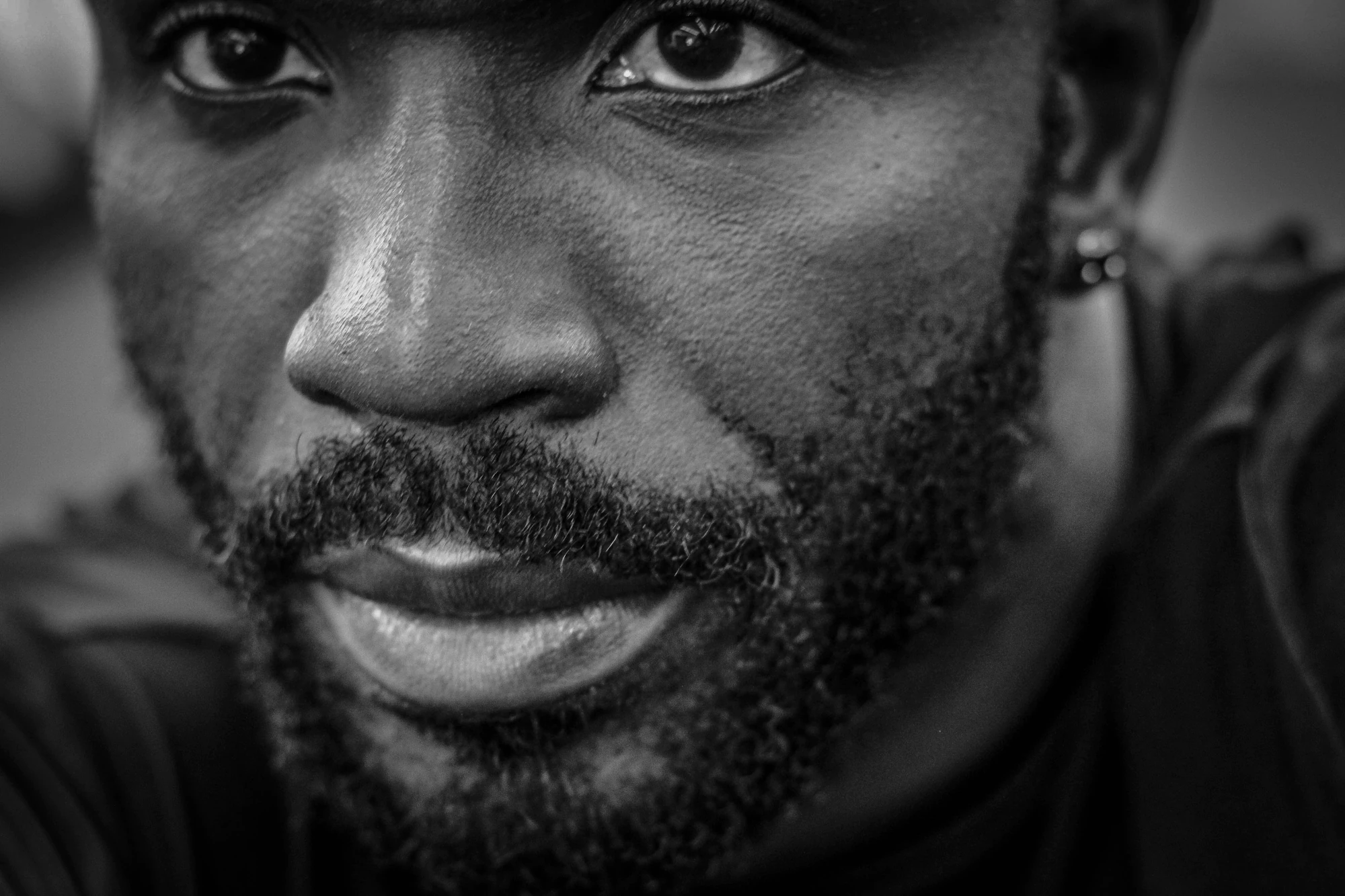
I was in Lisbon for six weeks working on a street portrait project, carrying two film cameras and nothing else. I’d load a roll in the morning, go out, and sometimes come back in the evening having shot nothing — not because nothing happened, but because nothing happened that I was willing to spend a frame on. That sounds wasteful, and by some measures it is. But it changed how I looked. I stopped scanning for photographs and started paying attention to the city itself, and paradoxically that’s when the photographs appeared.
Film also changes the relationship with your subjects, in ways I didn’t expect. There’s a sound, a weight, a visible deliberateness to shooting on a medium format camera that makes the act of photographing someone feel like a declaration rather than a reflex. People notice. They take a breath. Some of them straighten up, some of them soften. The camera becomes a shared object rather than something I’m pointing at them, and that shift in the social dynamic shows up in the images.
The practical challenges are real. Film is expensive, especially when you’re traveling. Labs can be unreliable. You can’t check the back of the camera to see what you got. I’ve lost rolls to airport X-rays and had development errors ruin work I couldn’t go back for. But these difficulties have also made me less precious about individual images — if something is lost, it’s lost, and the only response is to go back out and shoot more. That attitude, which film forced on me, has ended up being one of the more useful things I’ve learned as a photographer.