I used to think portrait photography was about technical control: the right focal length, the right light ratio, the right moment. I spent years refining those things, and they matter. But the most useful lesson I’ve learned as a photographer who works primarily on the road — in cities I don’t know, in languages I don’t speak — is that the camera is almost beside the point. What actually determines whether a portrait is alive or dead is everything that happened before you raised it to your eye.
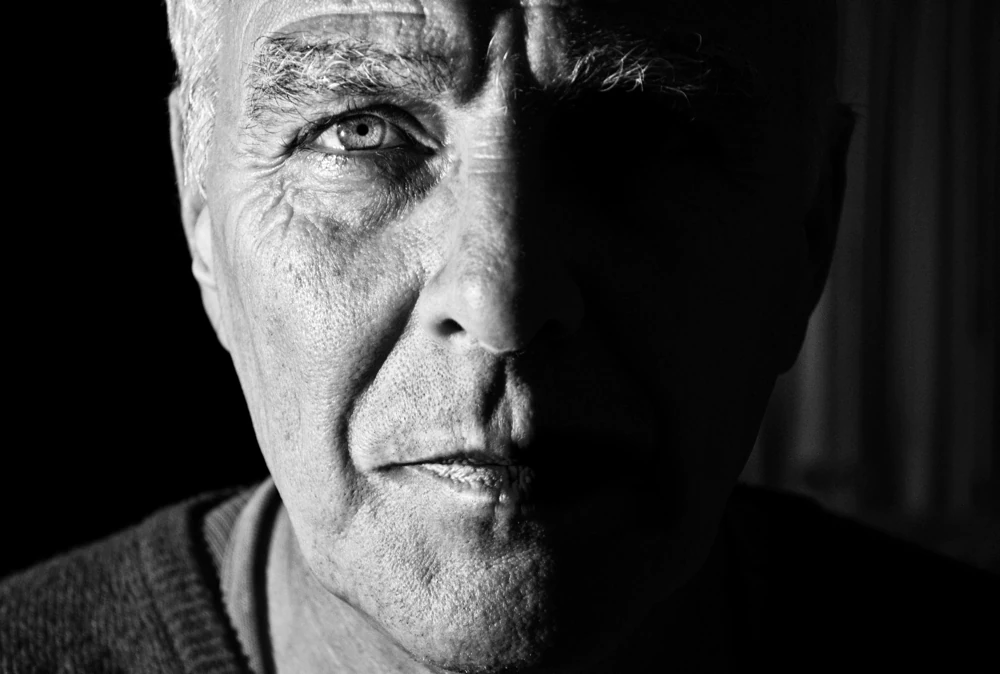
I first understood this in Tbilisi, during a period when I was shooting on the streets for a project I had no real plan for. I had my camera with me the way you carry keys — always there, rarely thought about. One afternoon I sat for almost an hour on a low wall outside a bread bakery in the old town, not photographing anything, just watching. A woman came out to sweep the step. We nodded at each other. Twenty minutes later she came back out with two small cups of tea and handed me one. I photographed her after that, in the doorway, in maybe four frames. Those four frames are some of the best work I’ve made.
What the tea taught me is that presence comes before the picture. When you arrive somewhere trying to take photographs, people feel it immediately — there is something extractive about that intention, and it shows in the images. When you arrive somewhere trying to understand it, the photographs come as a consequence of actually being there. This sounds obvious when written down, and I have read variations of it in every photography book I’ve ever owned, but I needed to learn it slowly, in actual places, with actual people who had no reason to trust me.
Traveling to make portraits has also changed my relationship with time. I used to move fast, covering ground, producing volume. Now I try to stay in a neighborhood long enough that I become boring — long enough that people stop noticing me, or start expecting me. That familiarity is where the good work lives. You can’t rush it, and you can’t fake it with a more expensive camera. You just have to be there, and keep being there, until the place lets you in.